

Certified Master Inspector (CMI) for Tampa Home Inspections | Local Home Inspection LLC | Nasir Uddin

A Tampa home can look solid from the curb and still hide costly issues in the attic, crawl space, roof covering, electrical panel, plumbing system, or foundation. In a market shaped by heat, humidity, storms, salt air, termites, aging housing stock, and insurance requirements, the quality of the inspection matters. That is where a Certified Master Inspector can make a real difference. A home inspection is not a pass-or-fail test. It is a documented evaluation of visible and accessible systems at a point in time. The value comes from the inspector’s training, judgment, reporting method, and ability to explain what the findings mean.
A Certified Master Inspector, often shortened to CMI, brings higher-level experience and professional standards to that process. For Tampa-area buyers, sellers, real estate professionals, investors, insurance agents, and property researchers, hiring a qualified inspector can reduce surprises, support better negotiations, and create a clearer picture of property condition.

Certified Master Inspector of Central FL
A standard home inspection follows a defined scope. In Florida, home inspectors must be licensed through the state, and inspections generally cover major visible systems such as roofing, exterior components, structural elements, electrical, plumbing, heating, cooling, interior rooms, insulation, and ventilation.
A Certified Master Inspector goes beyond the baseline license requirement. The CMI designation is an advanced professional credential for inspectors who meet experience, education, and ethical standards set by the credentialing body that administers it. Exact requirements can change, so clients should verify a CMI’s current status directly before hiring. In practical terms, the value often shows up in three ways.
Certified Master Inspector of Largo
Experience matters because homes do not fail in neat categories. A roof stain can point to an old leak, active moisture, poor attic ventilation, damaged flashing, or condensation from an air-conditioning duct. A small crack near a window may be normal settlement, or it may connect to drainage issues, lintel corrosion, stucco movement, or foundation concerns. A less experienced inspector may identify the symptom. A seasoned inspector is more likely to see the pattern. In the Tampa area, that pattern recognition is especially useful because homes vary widely. Local Home Inspection service in Largo, Florida. An inspector may evaluate:
Older bungalows with aging plumbing and electrical systems
Mid-century block homes with roof and drainage issues
Newer suburban homes with stucco, window, and attic ventilation concerns
Waterfront or near-coastal properties exposed to wind-driven rain and salt air
Manufactured and mobile homes needing careful structural and anchoring review
Investor properties with repairs, additions, or deferred maintenance
A CMI is trained to report what is visible and accessible, not to guess beyond the evidence. Still, experience helps the inspector know where to look, which defects matter most, and when to recommend a qualified specialist.
CMI Understands: Local Home Inspectors, Tampa Inspection, Nasir Uddin
Homes are systems, not separate parts. In Tampa’s climate, the roof, attic ventilation, insulation, HVAC system, windows, grading, and interior humidity all influence each other. A roof leak can affect attic insulation. Wet insulation can raise cooling costs and hide microbial growth. Poor drainage can contribute to slab movement, wall staining, pest activity, and interior moisture. A strong inspector connects those dots in plain language. Qualified Home Inspectors of Saint Petersburg, Florida.
For example, a report may note that the air-conditioning system appears to be cooling at the time of inspection, but the return plenum has air leakage, the attic has low insulation, and several rooms show elevated humidity conditions. Each item matters on its own. Together, they may explain comfort issues, higher utility costs, and moisture risk. Wind Mitigation & 4 Point Inspections in Brandon, Florida. That kind of explanation helps clients make better decisions. It also helps real estate agents, insurance professionals, and contractors understand the condition of the property without overreacting to every minor defect.
InterNACHI Certified Home Inspectors
The inspection report is the product clients rely on after the appointment ends. A useful report should do more than list defects. It should include clear photos, location notes, concise descriptions, and a practical sense of significance. The best reports separate safety concerns, major defects, maintenance items, and routine observations. This is especially helpful in a real estate transaction, where time is limited and decisions often need to be made quickly. A Certified Master Inspector should be able to explain:
What was inspected
What was not accessible
What defect was observed
Why the condition matters
Whether further evaluation is recommended
Which findings may affect insurance, safety, or near-term repairs
A good inspection report does not create fear. It creates clarity.
Tampa Homes Face Specific Risks
A local inspection should reflect local conditions. The issues found in Tampa and nearby areas such as Land O’ Lakes, Wesley Chapel, Spring Hill, Zephyrhills, and Dade City are shaped by Florida’s weather, construction practices, soil conditions, pests, and insurance environment. A Tampa home inspection should pay close attention to the following concerns.
Roof Wear and Storm Exposure

Florida roofs take a beating from sun, heat, wind, rain, and storm debris. Even when a roof has not failed, it may show age-related deterioration that affects remaining service life. Roof condition also matters for insurance. Many Florida insurers look closely at roof age, roof covering type, visible condition, and wind resistance features. An inspector cannot decide whether a policy will be approved, but a thorough report can help document the current condition and flag concerns before they become urgent. Common findings include:
Missing, lifted, cracked, or worn roof coverings
Damaged flashing at roof penetrations
Soft or stained roof decking visible from the attic
Poorly sealed vents
Evidence of past repairs
Clogged or missing gutters where drainage is needed
Tree contact or debris accumulation
Effects of Wind Mitigation Report
A wind mitigation inspection documents construction features that may reduce wind damage risk. In Florida, this can include roof-to-wall connections, roof deck attachment, roof shape, opening protection, secondary water resistance, and related features. These inspections follow a separate form and purpose from a general home inspection. They are often used for insurance purposes, and the findings may affect premium credits depending on the insurer’s rules and the home’s features.
A CMI who understands local construction can help identify where documentation may be needed. For example, roof-to-wall connections may not be visible unless access is available in the attic. A careful inspector will document what can be seen and explain any limitations.
Four-Point Inspections Matter for Older Homes
A four point inspection is common for insurance on older Florida homes. A four-point inspection is not the same as a full home inspection. It is narrower and insurance-focused. For buyers, relying only on a four-point report can leave many defects undiscovered. For sellers, completing a four-point inspection before listing may reveal issues that could delay closing. It focuses on four major systems:
System | Why it receives close attention |
Roof | Age, covering type, leaks, damage, and remaining condition affect insurance risk. |
Electrical | Unsafe wiring, damaged panels, ungrounded systems, and improper repairs can create fire hazards. |
Plumbing | Leaks, old supply lines, failing water heaters, and drainage concerns can lead to water damage. |
HVAC | Cooling and heating equipment condition affects habitability and moisture control. |

Moisture intrusion and high indoor humidity
Tampa’s humid climate makes moisture control a major inspection concern. Moisture can enter through roof leaks, stucco cracks, failed window seals, plumbing leaks, poor grading, drainage problems, and air-conditioning issues. High indoor humidity can also result from oversized HVAC systems, duct leaks, blocked returns, or poor ventilation. Common clues include:
Stains around ceilings, windows, or baseboards
Soft drywall or swollen trim
Musty odors
Condensation near vents or windows
Attic staining
Moisture meter readings that call for further review
Efflorescence on masonry surfaces
The U.S. Environmental Protection Agency has long advised that moisture control is central to mold prevention. An inspector does not need to make a mold claim to take moisture seriously. The key is to document visible evidence and recommend timely correction or further evaluation when needed.
Wood Destroying Organisms a Real Concern
Florida’s warm and humid climate supports termites, wood decay fungi, and other wood-destroying organisms. A WDO inspection is a separate inspection that may be required in certain transactions or requested for due diligence. A general home inspector may note visible damage that suggests pest activity, but a licensed WDO inspector performs the official wood-destroying organism inspection. A good CMI knows when to recommend one and how moisture and construction details can increase risk. Common warning signs include:
Damaged or hollow-sounding wood
Mud tubes
Frass or pellets
Wood-to-soil contact
Moisture-damaged trim or framing
Prior treatment evidence
Poor clearance around siding or stucco
Electrical Defects are Common in Remodeled Homes
Many Tampa-area homes have years of repairs, renovations, additions, and handyman work behind the walls. Electrical defects often show up where older systems meet newer upgrades. Electrical standards have changed over time. An older home is not automatically defective simply because it lacks every feature found in new construction. The concern is whether the system appears unsafe, damaged, improperly altered, or beyond its intended use. Common inspection findings include:
Missing GFCI protection in required areas
Open junction boxes
Double-tapped breakers were not allowed
Improperly abandoned wiring
Missing cover plates
Damaged service equipment
DIY connections in attics or garages
Outlets with reversed polarity or open grounds
Lack of proper labeling in panels
Plumbing Issues Range from Small Leaks to Major Updates
Plumbing defects can be expensive because water damage spreads quickly. In Tampa homes, inspectors often look for active leaks, old supply materials, slow drains, poor water heater installation, corrosion, and evidence of past repairs. A home inspection is visual and non-invasive. It will not replace a sewer scope, leak detection service, or plumbing contractor evaluation when conditions call for one. A careful report should make those limits clear. Common findings include:
Leaks under sinks
Corroded supply valves
Loose toilets
Water heater age or installation concerns
Missing temperature and pressure relief discharge piping
Improper drain slope
Staining at ceilings below bathrooms
Low water pressure or inconsistent flow
Older drain piping that may need further review
Foundation & Drainage Concerns Should Not be Ignored
Most Tampa-area homes are built on slabs or crawl space foundations, depending on age and construction type. A foundation inspection during a standard home inspection looks for visible signs of movement, cracking, settlement, moisture, or structural distress. Florida soils and heavy rainfall can make drainage a key issue. Water should move away from the structure, not settle against it. Even minor grading problems can lead to long-term moisture and structural concerns. Common clues include:
Stair-step cracking in masonry
Cracks wider than typical hairline movement
Doors or windows that stick
Sloping floors
Gaps at trim or wall intersections
Ponding water near the structure
Erosion around the slab
Improper grading toward the home
Specialized Inspections can fill gaps in the Standard Report
A general home inspection is the foundation of due diligence, but some properties call for added services. A Certified Master Inspector may offer these services directly if properly qualified, or may recommend another licensed specialist. The right mix depends on the property type, age, condition, and transaction needs.
Wind Mitigation Inspection
This inspection documents qualifying wind-resistant features for insurance review. Tampa homeowners often request it after roof replacement, during a purchase, or when updating insurance records.
Four-Point Inspection
This inspection focuses on the roof, electrical, plumbing, and HVAC systems. It is common for older homes and often tied to insurance underwriting. local home inspectors, tampa home inspection, nasir uddin
WDO Inspection
A WDO inspection looks for visible evidence of termites and other wood-destroying organisms. In Florida, it can be a critical part of buyer due diligence.
Mobile Home Inspection
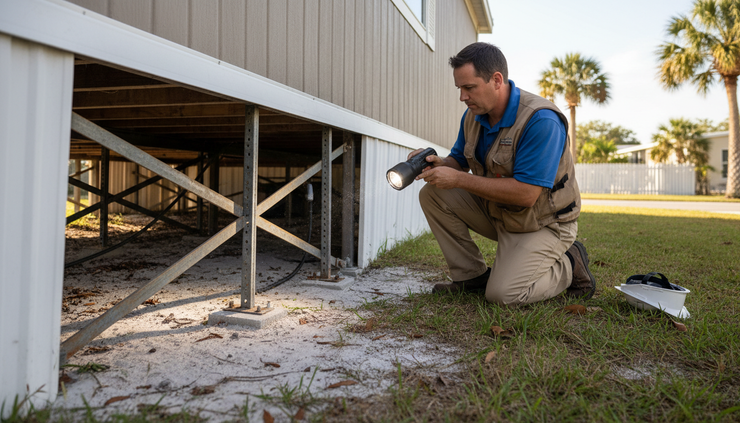
A mobile home inspection requires attention to components that differ from site-built homes, such as marriage lines, underfloor systems, skirting, vapor barriers, steps, decks, utility connections, and structural support details.
Tie-Down Inspection
A tie down inspection checks anchoring systems and related components on manufactured or mobile homes. This is especially relevant in a wind-prone state. Tie-down conditions can affect safety, insurance, and financing questions.
Pool, Seawall, & Dock/ Deck Observations
Many Tampa Bay properties include pools, seawalls, docks, or drainage features. These elements are often outside the standard scope or require specialized knowledge. Even when not fully inspected, visible concerns should be documented so the client can decide whether to seek a specialist.
Sewer Scope or Drain Line Evaluation
Older homes, large trees, repeated drain clogs, or evidence of plumbing backups may justify a sewer scope by a qualified provider. A standard inspection cannot see inside underground drain lines. A strong inspector is not there to kill a deal or save one. The job is to report visible conditions accurately and explain risk in plain terms. That distinction matters.
Right Inspectors Protect the Deal
A minor drywall crack should not be presented like a structural emergency unless the evidence supports that concern. A roof leak should not be softened as “normal wear” if active moisture or damaged decking is visible. Confidence comes from balanced reporting. This article is informational and does not replace legal, insurance, engineering, pest-control, or contractor advice. When an inspection points to a specialized concern, the next step is to consult the properly licensed expert. For real estate transactions, this balance helps everyone involved:
Buyers understand what they are purchasing.
Sellers learn what may need repair before listing or closing.
Realtors get clear documentation instead of vague alarm.
Insurance agents receive better information for wind mitigation or four-point discussions.
Investors can estimate repair priorities more accurately.
Researchers can compare property condition across neighborhoods or home types.
Choosing a local home inspector
Searching for home inspectors near me can produce a long list, but not all inspectors bring the same training, reporting quality, or local experience. The goal is to choose someone who can inspect the property thoroughly, explain findings clearly, and document the work in a way that supports decisions. Use the following points as a practical filter.
Confirm Florida licensing and insurance
Start with the basics. A Florida home inspector should hold an active state license. Verify the license through the Florida Department of Business and Professional Regulation rather than relying only on a website badge or verbal assurance. Also ask about insurance. Florida licensing rules have included insurance requirements for home inspectors, and clients should confirm current coverage directly.
Verify the Certified Master Inspectors Credential
If an inspector advertises as a Certified Master Inspector, verify the credential. Ask whether the designation is active and whether the inspector follows a standards of practice and code of ethics. The phrase Certified Master Inspector (CMI) should mean more than a marketing line. It should point to real experience, continuing education, and professional accountability.
Ask for a Sample Report
The report should be easy to read even for someone who does not work in construction. If the sample report feels confusing, the real report probably will too. Local Home Inspection LLC's sample report reveals how the inspector thinks. Look for:
Clear photos
Defect locations
Simple explanations
Practical recommendations
Safety concerns separated from maintenance notes
No vague filler language
No exaggerated claims
Clear limits on inaccessible areas
Choose Someone with Tampa-area experience
A local inspector should understand the local housing stock. Tampa, Land O’ Lakes, Wesley Chapel, Spring Hill, Lakeland, Clermont, Dover, Dade City, Webster, Lake Wales, Mount Dora, Dundee, Kissimmee, Polk City, Crystal Lake, Eaton Park, Eagle Lake, Kathleen, Rockridge, Lithia, Ona, Fort Meade, Homeland, Zephyrhills, Lutz and Dade City do not all have the same mix of homes, ages, soils, and conditions.
For example, a Dade City home inspection may involve older rural properties, wells, septic systems, crawl spaces, or outbuildings. A Wesley Chapel inspection may involve newer stucco homes, attic ventilation, roof installation details, and grading after subdivision development. Spring Hill and Zephyrhills properties may include a wider range of manufactured homes, older block homes, and insurance-related inspections.
Local experience helps the inspector ask better questions before the appointment starts. Local Home Inspectors of Lutz, Florida, USA
Check which related services are available
Not every property needs every inspection, but it helps when an inspector understands related services such as wind mitigation, four-point, WDO coordination, mobile home inspection, tie-down review, and foundation observations. A Local Home Inspection LLC that regularly works with Tampa-area insurance needs and real estate timelines may be better prepared to recommend the right combination of services without overselling unnecessary add-ons.
Ask how long the inspection will take
Inspection time depends on size, age, condition, access, and extra services. A small, newer condo may take much less time than an older single-family home with a crawl space, detached garage, pool, and multiple known concerns. Be cautious if an inspector promises an unusually fast inspection before learning about the property. Thorough work takes time. Dade City Home Inspection Services, FL
Make sure the inspector welcomes questions

A good inspector should explain findings without causing confusion.
Clear answers build trust. Defensive or vague answers do not. Clients should feel comfortable asking:
Is this a safety issue or a maintenance issue?
Does this need immediate attention?
Should a specialist evaluate it?
Could this affect insurance?
Was this area inaccessible?
What would you monitor after closing?
Read reviews with a critical eye
Reviews can help, but read them for substance. Look for comments about report clarity, punctuality, thoroughness, communication, and follow-up explanations. Do not rely only on star ratings. A shorter review that says “the inspector found roof moisture, explained the photos, and helped us prioritize repairs” says more than a dozen generic comments. Home Inspection Services in Webster, FL
Be careful with price-only decisions
The lowest inspection fee can become expensive if major issues go undocumented. A more experienced inspector may cost more, but the difference is often small compared with roof repairs, electrical corrections, plumbing leaks, foundation repairs, or insurance delays. For investors, one missed defect can change the entire return calculation. For buyers, it can affect repair requests or the decision to proceed. For sellers, it can mean surprises after going under contract. The value of a InterNACHI Certified Master Inspector starts before arrival and continues after the report is delivered.
Before the inspection
A strong inspector reviews available details such as property age, structure type, roof type, square footage, utilities, occupancy, and requested ancillary inspections. This helps set scope and expectations. If the home is older, the inspector may ask whether a four-point inspection is needed. If the property is manufactured housing, the inspector may discuss tie-down access. If insurance is part of the decision, wind mitigation may belong on the schedule. Local Home Inspection Services in Clermont, FL
During the inspection
The inspector works through visible and accessible systems, documenting conditions with photos and notes. Good inspectors do not rush past small clues. They also avoid damaging finishes or moving personal property beyond the inspection scope. Common field tools may include moisture meters, electrical testers, ladders, flashlights, thermometers, & cameras. These tools support observations, but they do not replace judgment. A moisture meter reading, for example, matters most when tied to visible staining, material condition, & likely source. Local Home Inspectors, Mount Dora, FL
After the inspection
The report should help clients prioritize. Not every defect carries the same weight.
This structure helps reduce confusion. It also helps sellers plan repairs, buyers discuss concessions, and agents keep negotiations focused on evidence. Local Home Inspection LLC, Groveland, Florida. A practical report helps separate:
Priority | Examples |
Safety concerns | Exposed wiring, missing railings, unsafe stairs, damaged electrical equipment |
Major defects | Roof leaks, significant plumbing leaks, foundation movement, failed HVAC equipment |
Insurance concerns | Roof condition, outdated electrical features, water heater defects, wind mitigation documentation |
Further evaluation items | Suspected WDO damage, structural movement, sewer line concerns, abnormal HVAC performance |
Maintenance items | Caulking gaps, minor exterior grading, loose fixtures, routine service needs |

Red flags to watch for when hiring an inspector
Choosing the wrong inspector can create more uncertainty than clarity.
No inspector can see through walls or predict every future defect. Honest limits are part of good inspection practice. An inspector who explains limitations clearly is usually more trustworthy than one who promises certainty. Watch for these warning signs:
No active Florida license shown or verifiable
No sample report available
Reports that lack photos or specific locations
Overly broad promises about finding “everything”
Pressure to skip the inspection to save time
Unwillingness to explain scope and limits
No discussion of insurance-related inspections when they may apply
Poor communication before the appointment
Strong opinions without evidence in the report
Little familiarity with Tampa-area conditions

Tampa Inspection Creates Confidence
Hiring a Certified Master Inspector for Tampa home inspections is about better judgment, better documentation, and a clearer understanding of property risk. The CMI credential signals a higher level of experience and professional commitment, especially when paired with active Florida licensing, strong sample reports, local knowledge, and clear communication.
Tampa homes face real inspection challenges. Roof aging, wind exposure, moisture intrusion, WDO risk, electrical updates, plumbing leaks, drainage problems, foundation movement, and manufactured-home tie-down concerns all deserve careful attention. A qualified local home inspector knows how these issues show up and how to explain them without exaggeration. Nasir Uddin is a qualified local home inspector of Florida.
Before scheduling, verify licensing, confirm credentials, review a sample report, ask about local experience, and make sure the services match the property. Whether the need is a buyer’s inspection, pre-listing review, insurance-related four-point or wind mitigation inspection, mobile home evaluation, WDO coordination, or foundation concern, the right inspector can turn uncertainty into useful information. Leesburg Home Inspectors, Florida
A home is too important for a rushed checklist. Choose a local home inspector who brings experience, evidence, and clear reporting to the table.
Local Home Inspection LLC: Your Trusted Property Partner
Buying or selling a home is one of the most significant financial decisions you will ever make. To navigate this process with confidence, you need a clear, unbiased understanding of the property's condition. Enter Local Home Inspection LLC, the premier choice for comprehensive home inspection services across Hillsborough County, Florida. Led by Md Nasir Uddin, a distinguished InterNACHI Certified Master Inspector (CMI), our company is dedicated to providing homebuyers, sellers, and real estate professionals with the critical insights they need to make informed decisions.
The Certified Master Inspector Difference
Not all home inspectors are created equal. As an InterNACHI Certified Master Inspector, Md Nasir Uddin represents the gold standard in the home inspection industry. Achieving the prestigious CMI designation requires completing thousands of inspections and hours of rigorous continuing education, alongside a proven track record of professional ethics and exceptional service.
When you choose Local Home Inspection LLC, you are partnering with a seasoned expert who possesses an unparalleled eye for detail. We leave no stone unturned, evaluating every accessible system and component of the home.
Comprehensive Inspection Services
We offer a full suite of services tailored to meet the diverse needs of Florida residents. During a standard residential inspection, we meticulously evaluate:
Structural integrity and foundations
Roofing systems and attic insulation
Exterior cladding, windows, and doors
Electrical panels and wiring
Plumbing systems and fixtures
HVAC (Heating, Ventilation, and Air Conditioning) units
Our buyer's inspections protect your investment by uncovering hidden defects and safety hazards before closing. For sellers, our pre-listing inspections eliminate surprises during negotiations, allowing for a smoother transaction. Furthermore, living in Florida means specialized inspections are often necessary. We provide expert Four-Point Inspections and Wind Mitigation reports, helping homeowners secure essential insurance coverage and potentially lower their premiums.
Serving All of Hillsborough County
We are deeply familiar with the unique architectural styles, environmental factors, and building codes prevalent in Central Florida. Our service area proudly encompasses all major cities and communities within Hillsborough County. Whether you are purchasing a historic bungalow in Tampa, a waterfront property in Apollo Beach, a new construction home in Riverview, or a family estate in Plant City or Brandon, Local Home Inspection LLC is ready to serve you.
Commitment to Clarity and Peace of Mind
We believe that an inspection is only as good as the report that follows it. That is why Md Nasir Uddin utilizes state-of-the-art reporting software to deliver modern, easy-to-read documents. Delivered promptly after the inspection, our reports feature high-resolution images, clear summaries of findings, and actionable recommendations. We don't just hand you a document; we take the time to walk you through the results, answering every question so you feel completely empowered.
Trust Local Home Inspection LLC to be your eyes and ears. Schedule your inspection today and experience the peace of mind that comes with true expertise.


Comments