

Home Inspectors for Perfect Plans: Why a Professional Home Inspection Matters

Buying, selling, or maintaining a home is a major decision. Whether you are a first-time buyer, an experienced homeowner, or a real estate professional, having accurate information about a property's condition can help you make better decisions. This is where professional home inspectors play an important role.
A home inspection provides a detailed look at the major systems and components of a property. From the roof and foundation to electrical, plumbing, HVAC, and interior areas, a qualified home inspector helps identify visible problems and potential concerns before they become expensive surprises.
What Is a Home Inspector?
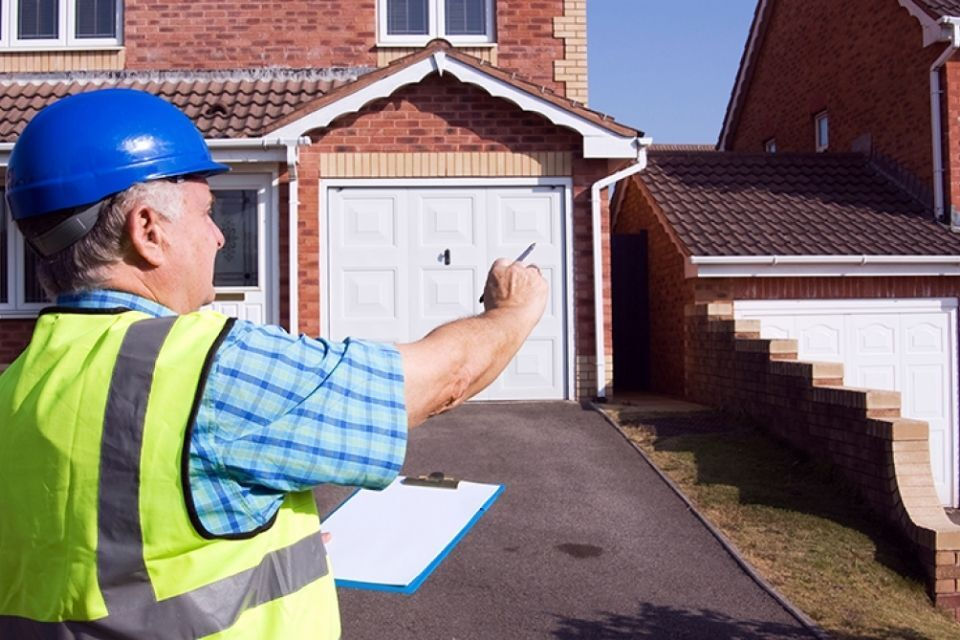
A home inspector is a trained professional who evaluates the condition of a residential property. During an inspection, the inspector examines accessible areas and systems to identify defects, safety concerns, maintenance issues, and signs of potential problems.
A professional inspection can give homeowners and buyers a clearer understanding of the property before making important financial decisions.
Home inspectors commonly evaluate:
Roofing systems
Foundation and structural components
Exterior walls and surfaces
Attic and insulation
Plumbing systems
Electrical systems
Heating and cooling systems
Windows and doors
Kitchens and bathrooms
Interior walls, ceilings, and floors
Garages and accessible areas
Drainage and grading
Safety-related components
Why Home Inspections Are Important for Perfect Plans
Perfect plans begin with accurate information. When you know the actual condition of a property, you can create a realistic plan for purchasing, repairing, renovating, or maintaining the home.
1. Make Better Buying Decisions
A home may look perfect during a showing, but some problems are not easy to notice. A professional home inspection can uncover visible issues that may affect your decision.
The inspection report can help you understand which concerns require immediate attention and which items may simply need routine maintenance.
2. Identify Potential Problems Early
Small problems can sometimes become major repairs when they are ignored. For example, a minor roof leak, plumbing issue, or drainage problem could eventually result in more extensive damage.
Identifying concerns early gives homeowners an opportunity to address them before they become more costly.
3. Plan Your Home Maintenance
A home inspection isn't only useful when buying a property. Existing homeowners can also benefit from an inspection when planning future maintenance.
An inspection can help you prioritize projects based on the condition of different components of your home. This allows you to develop a practical maintenance plan instead of dealing with unexpected repairs.
4. Support Renovation Planning
Planning a remodeling project requires more than choosing finishes and designs. Understanding the existing condition of the home can help you make smarter renovation decisions.
A home inspection may identify issues that should be addressed before beginning major improvements, such as moisture concerns, electrical deficiencies, plumbing problems, or structural issues.
What Does a Home Inspector Check?
The exact inspection process can vary depending on the property, inspection standards, and services requested. However, a typical home inspection covers many of the home's major accessible components.
Roof Inspection
The inspector evaluates the accessible roofing system for visible signs of damage, deterioration, improper installation, missing materials, and other concerns.
Foundation and Structure
The foundation and structural components are examined for visible signs that may indicate movement, damage, moisture intrusion, or other potential concerns.
Electrical System
An inspector checks accessible electrical components, outlets, switches, panels, and other visible elements for potential safety issues and deficiencies.
Plumbing System
Accessible plumbing fixtures, supply lines, drainage components, water heaters, and other visible plumbing elements may be evaluated.
HVAC System
Heating and cooling equipment is examined to determine its general visible condition and operation, where appropriate.
Interior Areas
Walls, ceilings, floors, doors, windows, stairs, and other accessible interior components are inspected for visible defects or concerns.
Exterior Areas
The inspector may examine exterior walls, siding, trim, doors, windows, decks, porches, drainage, grading, and other accessible areas.
Home Inspection for Buyers
For home buyers, an inspection can provide valuable information before completing a purchase. Even a newer home can have construction defects, installation problems, or maintenance concerns.
A professional inspection can help buyers:
Understand the property's current condition
Identify visible defects
Estimate future maintenance needs
Prioritize repairs
Ask informed questions
Plan for future expenses
Make a more informed purchasing decision
The goal is not necessarily to find a perfect house. Instead, the goal is to understand the property well enough to make a confident decision.
Home Inspection for Sellers
Home inspections can also benefit homeowners who are preparing to sell. A pre-listing inspection can help sellers identify potential concerns before putting their property on the market.
Addressing known problems in advance may make the selling process smoother and reduce unexpected surprises during the buyer's inspection.
Sellers can use an inspection to:
Identify repair priorities
Prepare the property for sale
Understand potential buyer concerns
Plan maintenance and improvements
Provide greater transparency to prospective buyers
Choosing the Right Home Inspector
Not all inspection experiences are the same. Choosing a qualified and experienced professional is an important part of the process.
When selecting a home inspector, consider:
Experience
Look for an inspector with experience evaluating residential properties similar to yours.
Training and Credentials
Ask about professional training, certifications, licensing requirements, and continuing education applicable to your location.
Detailed Reporting
A good inspection report should clearly explain identified concerns and provide useful information that homeowners and buyers can understand.
Thorough Inspection Process
Choose an inspector who takes time to examine the home's major accessible components rather than rushing through the property.
Clear Communication
Your inspector should be willing to explain findings and answer reasonable questions about the inspection report.
A Home Inspection Is Not a Pass or Fail Test
One important thing to understand is that a home inspection is generally not a simple pass-or-fail evaluation.
Homes naturally experience wear and aging. An inspection is designed to provide information about the property's condition and identify visible concerns.
Some findings may require immediate repair, while others may be maintenance recommendations or conditions that should be monitored over time.
Understanding the difference can help you create a more realistic plan for the property.
Use Your Inspection Report to Create a Perfect Home Plan
Once the inspection is complete, the report can become a useful planning tool. Instead of treating it as simply a document for a real estate transaction, homeowners can use the findings to organize future projects.
Consider dividing findings into three categories:
Immediate: Safety concerns or significant problems that need prompt attention.
Short-Term: Repairs or maintenance items that should be addressed soon.
Long-Term: Improvements, upgrades, or maintenance that can be planned for the future.
This approach can help you manage homeownership costs while keeping your property in better condition.
Conclusion
Professional home inspectors provide valuable information that can help buyers, sellers, and homeowners make informed decisions. A thorough home inspection can identify visible concerns, explain the condition of major home systems, and help you prioritize repairs and maintenance.
Whether you are purchasing a property, preparing to sell, planning renovations, or simply developing a long-term maintenance strategy, an inspection can give you the information needed to create perfect plans for your home.
The right inspection is not about expecting a home to be flawless. It is about understanding the property, identifying potential concerns, and using accurate information to plan your next steps with confidence.


Comments